登錄
登錄
 注冊
注冊

RFID的演進與零售數字化轉型
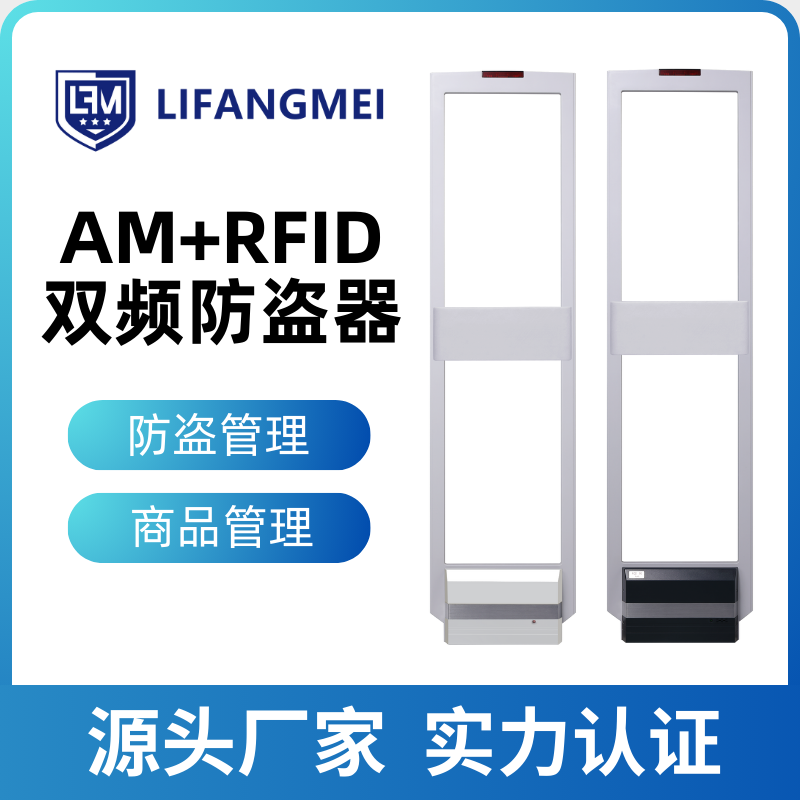
過去二十年,零售業經歷了一次深刻的技術轉型。從最早的EAS 防盜標簽到今天的EPC UHF RFID,這項技術已經不只是“防盜”,而是成為供應鏈數字化和門店運營優化的核心工具。
Over the past two decades, the retail industry has undergone a profound technological transformation. From the early EAS anti-theft tags to today’s EPC UHF RFID, this technology has evolved beyond “theft prevention” to become a cornerstone of supply chain digitization and store operation optimization.

2. 從EAS 到RFID:身份的缺失與補全
From EAS to RFID: From Missing Identity to Digital Identity
EAS標簽(RF/AM/EM):幾十年來廣泛應用于超市、便利店和服裝店。它們成本低廉($0.02–0.05/個),但只有“在場/不在場”的功能,無法識別商品的具體信息。
EAS tags (RF/AM/EM): Widely used for decades in supermarkets, convenience stores, and apparel shops. They are inexpensive ($0.02–0.05 per unit) but provide only a simple “present/absent” function, without product-specific identity.
RFID(UHF EPC Gen2):區別在于“一物一碼”。每個標簽通過EPC 編碼綁定SKU 與序列號,既能做防盜,也能支撐庫存管理、追蹤和數據分析。
RFID (UHF EPC Gen2): The difference lies in “one item, one code.” Each tag binds a SKU and serial number through EPC encoding, enabling not only theft prevention but also inventory management, traceability, and data analytics.
3. EPC 成為全球標準
EPC as the Global Standard
在RFID 的發展史上,一個關鍵拐點是EPCglobal 的EPC Class 1 Gen2 協議,后來納入ISO/IEC 18000-63。
A critical milestone in RFID history was EPCglobal’s EPC Class 1 Gen2 protocol, later incorporated into ISO/IEC 18000-63.
它統一了超高頻RFID 的空中接口標準,兼容GS1 條碼體系,讓RFID 成為條碼的自然延伸。供應鏈企業可以用同一體系同時管理條碼和RFID 數據。
It unified the air interface standard for UHF RFID, compatible with the GS1 barcode system, making RFID a natural extension of barcodes. Supply chain companies can manage both barcodes and RFID data under the same framework.

4. 美國零售:雙軌制的現實選擇
U.S. Retailers: The Dual-Track Choice
在美國零售業,RFID 主要用于庫存與供應鏈優化:
In U.S. retail, RFID is primarily used for inventory and supply chain optimization:
- 供應商在出貨前將EPC 寫入標簽。
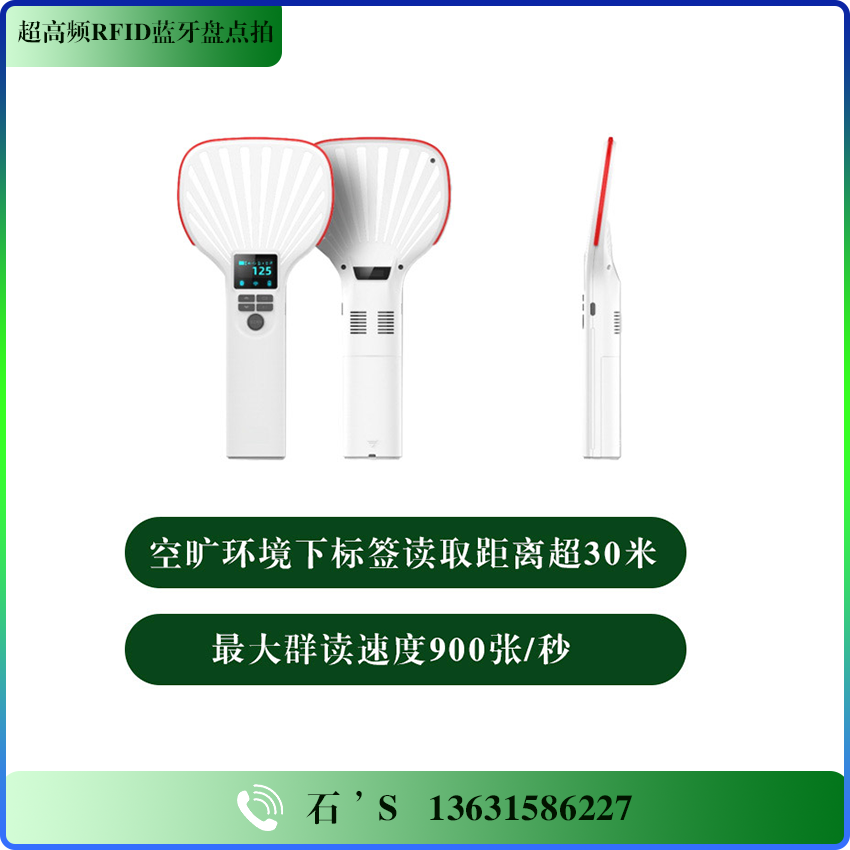
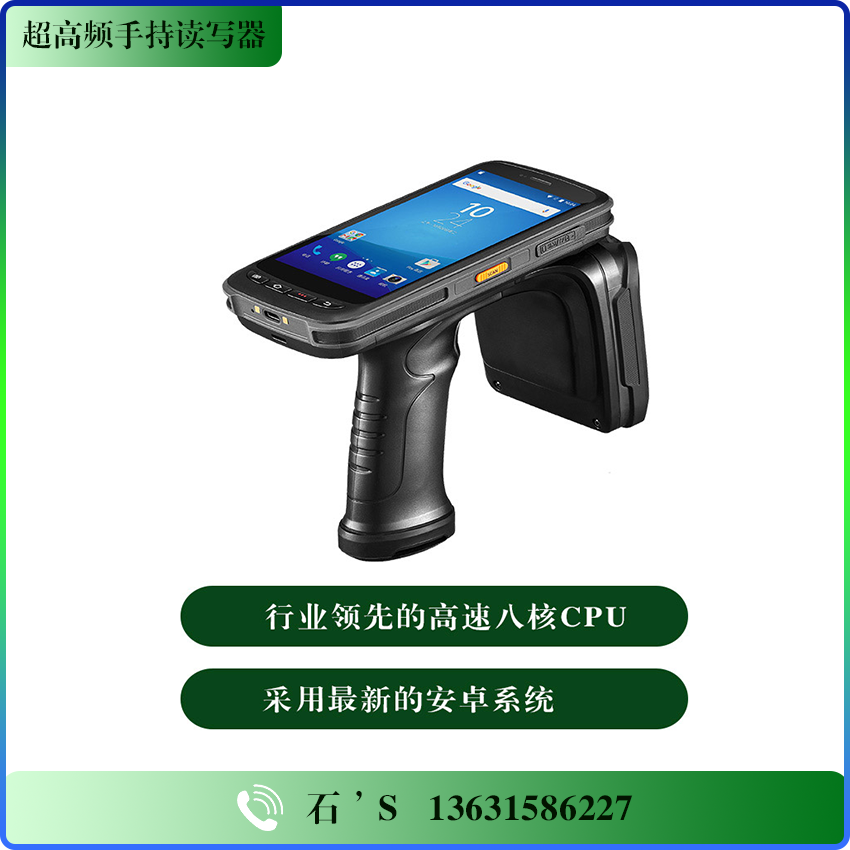
- 門店利用RFID 快速盤點、補貨和防盜。
- 收銀環節仍然依靠條碼,因為現有POS 系統和消費者習慣是條碼驅動的。
- Suppliers encode EPC into tags before shipping.
- Stores use RFID for fast inventory counts, replenishment, and theft prevention.
- Checkout still relies on barcodes, as existing POS systems and consumer habits are barcode-driven.
這種“雙軌制”模式降低了系統改造成本,但也意味著RFID 的價值主要集中在后臺效率,而非前端體驗。
This “dual-track” model reduces system upgrade costs but means RFID’s value is concentrated in back-end efficiency rather than front-end customer experience.
5. 日本優衣庫:RFID 全鏈路應用
UNIQLO: Full-Chain RFID Application
優衣庫的做法更激進:
UNIQLO’s approach is more aggressive:
- 每件衣服吊牌嵌入RFID。
- 在供應鏈環節實現追蹤,在門店實現防盜。
- 在收銀環節,直接通過RFID 掃描框一次完成結算。
- Each clothing tag embeds an RFID chip.
- Enables tracking across the supply chain and theft prevention in stores.
- Checkout is done directly with RFID scanning frames in one step.
這種模式完全替代了條碼掃描。雖然前期投入更高,但收銀效率和顧客體驗的提升,使其在快時尚模式下具有極強的ROI。
This model fully replaces barcode scanning. Although upfront investment is higher, the gains in checkout efficiency and customer experience make it highly cost-effective in fast fashion.
6. 成本與未來趨勢
Cost and Future Trends
-標簽價格已下降至$0.07–0.1/個,大幅降低了應用門檻。
- 越來越多零售商正在推動條碼+RFID 二合一標簽。
- 長遠來看,隨著無收銀商店模式的普及,RFID 將與AI、IoT、區塊鏈結合,成為智能零售的基礎設施。
- Tag prices have dropped to $0.07–0.1 each, significantly lowering adoption barriers.
- More retailers are promoting dual barcode+RFID labels.
- In the long run, with the rise of cashierless stores, RFID will integrate with AI, IoT, and blockchain to become the infrastructure of smart retail.
7. 結語Conclusion
EAS讓商品“能被發現”,而RFID 讓商品“能被識別”。今天,它正在成為零售業數字化轉型的關鍵節點。未來十年,RFID 的角色會越來越接近條碼革命:從一項防盜技術,成長為全球零售與供應鏈的數字底座。
EAS made products “detectable,” while RFID makes them “identifiable.” Today, it is a key enabler of retail digital transformation. In the next decade, RFID’s role will become increasingly similar to the barcode revolution: evolving from theft prevention to the digital backbone of global retail and supply chains.